The Moratorium Movement aims were twofold: firstly, to force withdrawal of Australian and other foreign troops from Vietnam and secondly, to repeal the National Service Act 1964.
|
|

 | 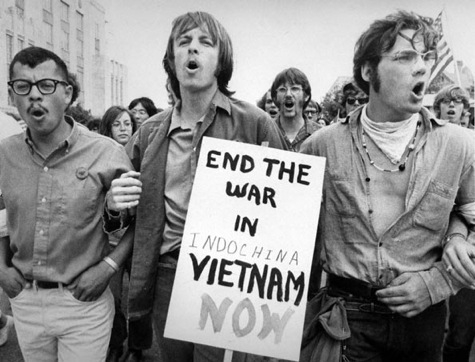 |
The Moratorium to End the War in Vietnam was a large demonstration against the United States involvement in the Vietnam War that took place across the United States on October 15, 1969.
By 1970, the Vietnam War had become the longest war in which Australia had ever been involved in. The anti-war movement had grown from small demonstrations into huge rallies, marches, church services and candlelight vigils. The people who took part were not all political and social radicals. Many ordinary Australian were coming out in opposition to the war. The moratorium rallies were support with huge numbers of people taking to the streets to demonstrate the strength and power behind the anti-war movement. They believed if they could prove there was enough popular support for withdrawing from Vietnam, then the government would have to listen.
The first moratorium on Vietnam was taken place in the streets of America. Hundreds of thousands of citizens stopped work for that one day and marches in the streets to protest American involvement in the war. The Australian moratoriums were organized by representatives of the major anti-war groups in the aftermath of the My Lai massacre coming to light and the defeat of the Labour Party in the 1969 federal election.
National service’s early opponents included the Parliamentary Opposition, religious groups, trade unionists, academics, and young men affected by the scheme. From within this disparate anti-conscription movement groups began to form and organise, some becoming prominent and forming branches across Australia. Youth Campaign Against Conscription (YCAC) formed in late 1964 and closely aligned to the Australian Labor Party , and Save Our Sons (SOS) founded in Sydney in 1965 shortly after the government announced an increase of troops to Vietnam.
Common slogans and chants*"Hey, hey LBJ, how many kids have you killed today?"* The slogan "One, two, three, four! We don't want your fucking war!" was chanted repeatedly at demonstrations throughout the U.S. in the late 1960s and early 1970s. * "Draft Beer, not boys", "Hell no, we won't go", "Make love, not war" and "Eighteen today, dead tomorrow" were a few of the anti war slogans. * "Love our country", "America, love it or leave it" and "No glory like old glory" are examples of pro-war slogans. * "Fight the VD, Not the VC!" displayed sentiments to concentrate more on the familiar problem of venereal diseases than the foreign group, the Vietcong. | 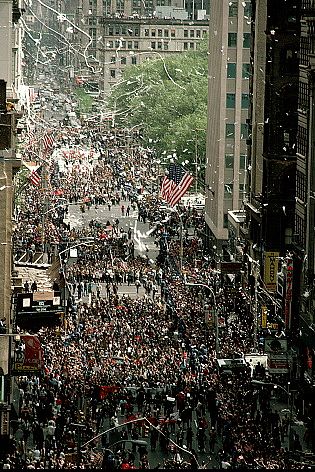 |
 | The announcement gave the protest movement some momentum, but it built slowly as anti-war groups began working together and learning lessons from similar groups in the United States. By 1969 those who opposed the war had increased in number and become sufficiently well organised to coordinate Australia-wide mass protests, known as the moratorium marches of 1970–71. Involvement in anti-war activities politicised many previously disinterested Australians. Opposition to the war was a radicalising experience for some people such as the middle-class women, members of Save Our Sons, who were arrested during peaceful protests outside national service induction centres. |
Despite the eventual strength and widespread nature of the anti-war movement, its effectiveness in Australia is open to question. The Australian Government had followed the United States lead in Vietnam since the early 1960s and continued to do so until the last Australian troops were withdrawn in 1972. When the United States began removing its troops from Vietnam, Australia followed suit, irrespective of the well-attended protests of 1970 and 1971.
 |  |
